Terry cloth is one of the most popular and practical fabrics used around the world. From bath towels and bathrobes to cleaning cloths and beachwear, this soft and absorbent material is found in many everyday products. Even though most people use terry cloth regularly, not everyone knows what makes this fabric unique or why it is so effective at absorbing moisture.
What Is Terry Cloth?
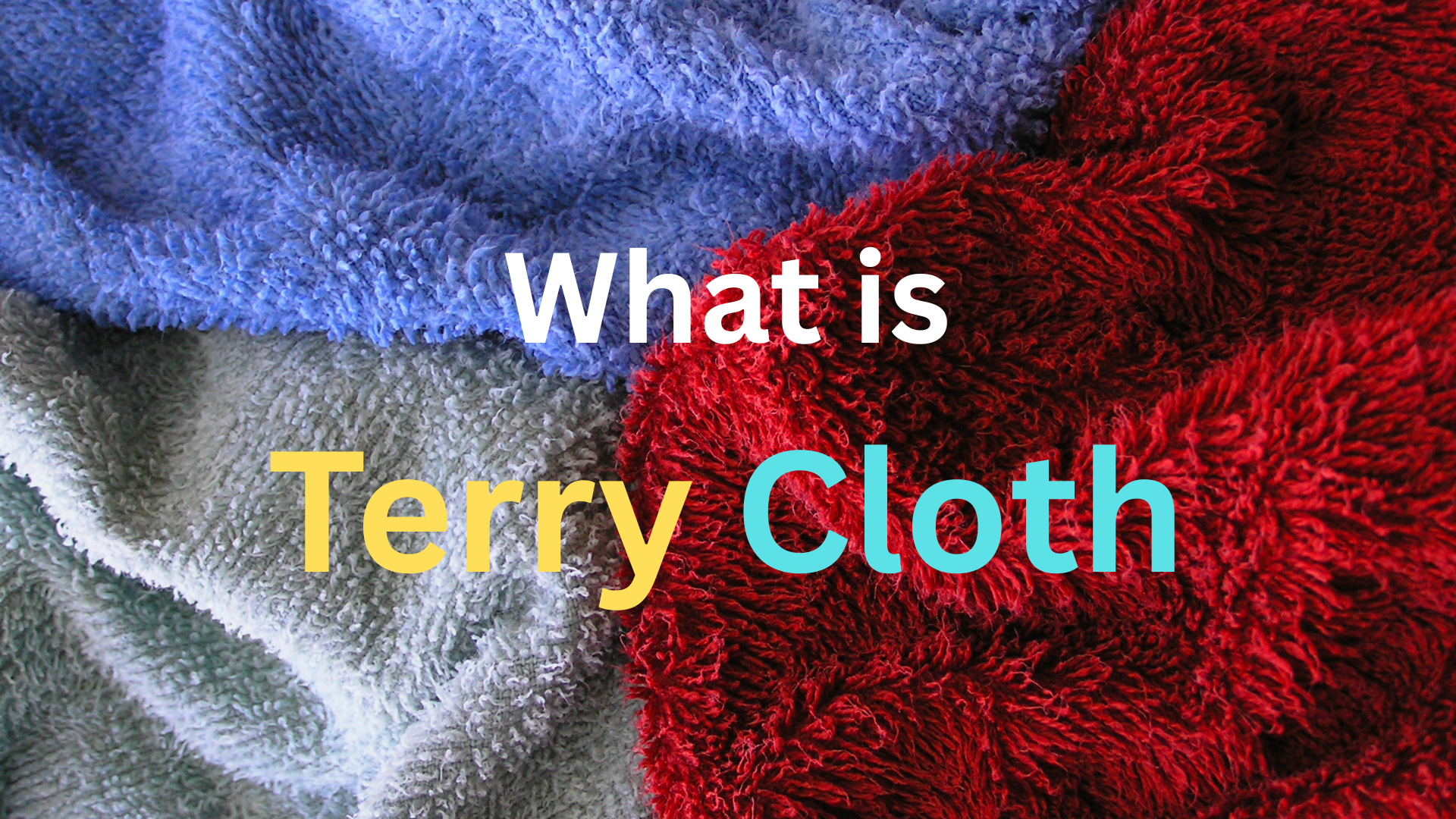
Terry cloth, also known as terrycloth or terry towelling, is a soft fabric made with loops of yarn on one or both sides. These loops increase the surface area of the material, making it extremely absorbent and comfortable to use. Terry cloth is commonly made from cotton, but it can also contain polyester, bamboo, linen, or blended fibers.
The fabric is created using a special weaving technique that forms tiny loops called “pile loops.” Unlike regular woven fabrics, terry cloth uses additional warp threads to create these raised loops. The looped structure allows the fabric to soak up large amounts of water while remaining soft against the skin.
Because of its absorbent nature and plush texture, terry cloth is widely used in towels, robes, spa products, baby items, and even fashion garments.
History of Terry Cloth
Terry cloth originated in France during the 19th century. The fabric is associated with the French inventor Joseph-Marie Jacquard, who became famous for developing advanced weaving techniques and the Jacquard loom. The word “terry” is believed to come from the French word “tirer” or “tisser,” related to twisting or weaving yarns.
Over time, terry cloth became highly popular because of its durability, comfort, and ability to absorb water quickly. Today, it is manufactured worldwide and comes in many styles, textures, and thicknesses.
How Terry Cloth Is Made
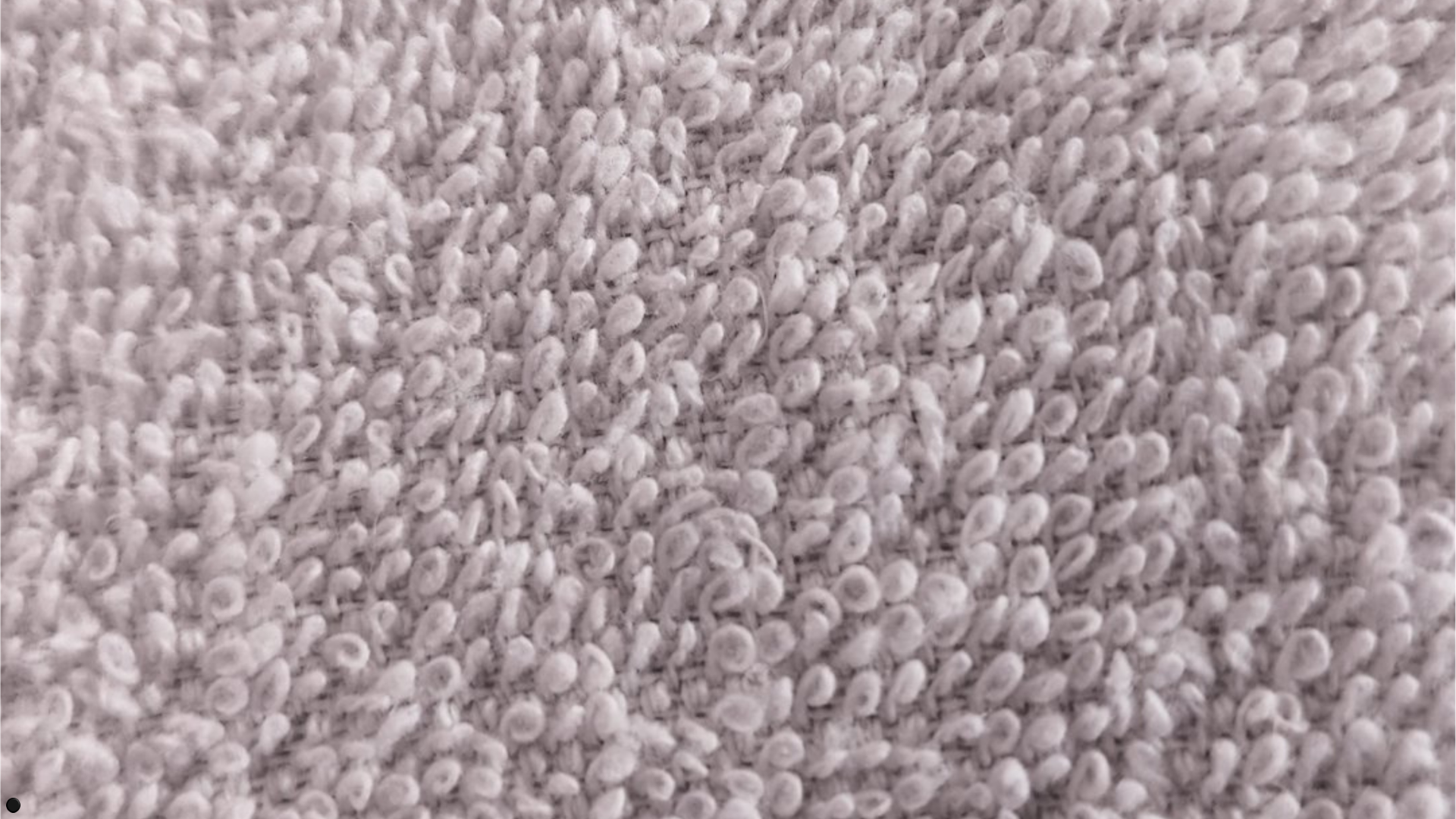
Most woven fabrics are created using two sets of threads: warp threads running vertically and weft threads running horizontally. Terry cloth is different because it uses an extra set of warp yarns to form loops above the fabric surface.
These loops can appear on one side or both sides of the fabric:
- Single-sided terry cloth has loops on one side only.
- Double-sided terry cloth has loops on both sides for maximum absorbency.
The height, density, and twist of the loops determine how soft, thick, and absorbent the fabric feels.
Main Features of Terry Cloth
Terry cloth is loved because it combines comfort with functionality. Some of its most important characteristics include:
- Easy dyeing and printing capability
- Excellent moisture absorption
- Soft and fluffy texture
- Durable construction
- Breathable and skin-friendly feel
- Warm and cozy surface
- Easy dyeing and printing capability
High-quality terry cloth products often use dense cotton loops and higher GSM (grams per square meter), which creates a thicker and more luxurious texture.
What Is Terry Cloth Used For?
Terry cloth has many uses in both home décor and fashion because of its softness and absorbency.
Bathroom Essentials
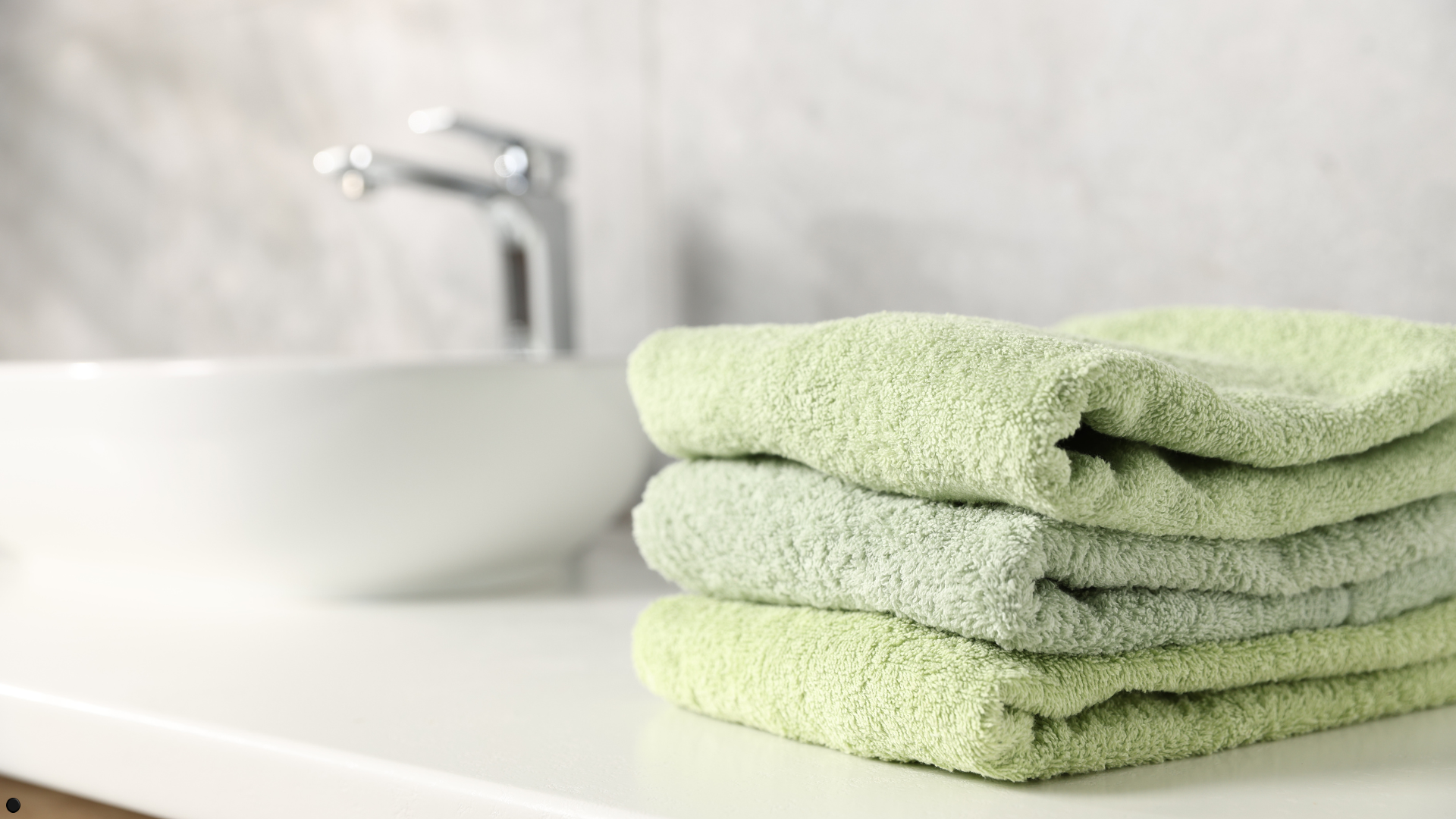
The most common use for terry cloth is bathroom products such as:
- Bath towels
- Hand towels
- Washcloths
- Bath mats
- Spa robes
The looped fibers absorb moisture quickly, making the fabric ideal for drying the body after bathing or swimming.
Clothing and Fashion
Terry cloth is also used to make comfortable clothing items such as:
- Shorts
- Hoodies
- Dresses
- Beach cover-ups
- Loungewear
- Baby clothing
In recent years, terry cloth has become trendy in fashion collections because of its soft texture and retro appearance.
Household Products
Terry cloth is often used in:
- Cleaning cloths
- Mattress protectors
- Upholstery
- Kitchen towels
- Bibs and baby accessories
Different Types of Terry Cloth
There are several varieties of terry cloth, each designed for different purposes.
Long Loop Terry Cloth
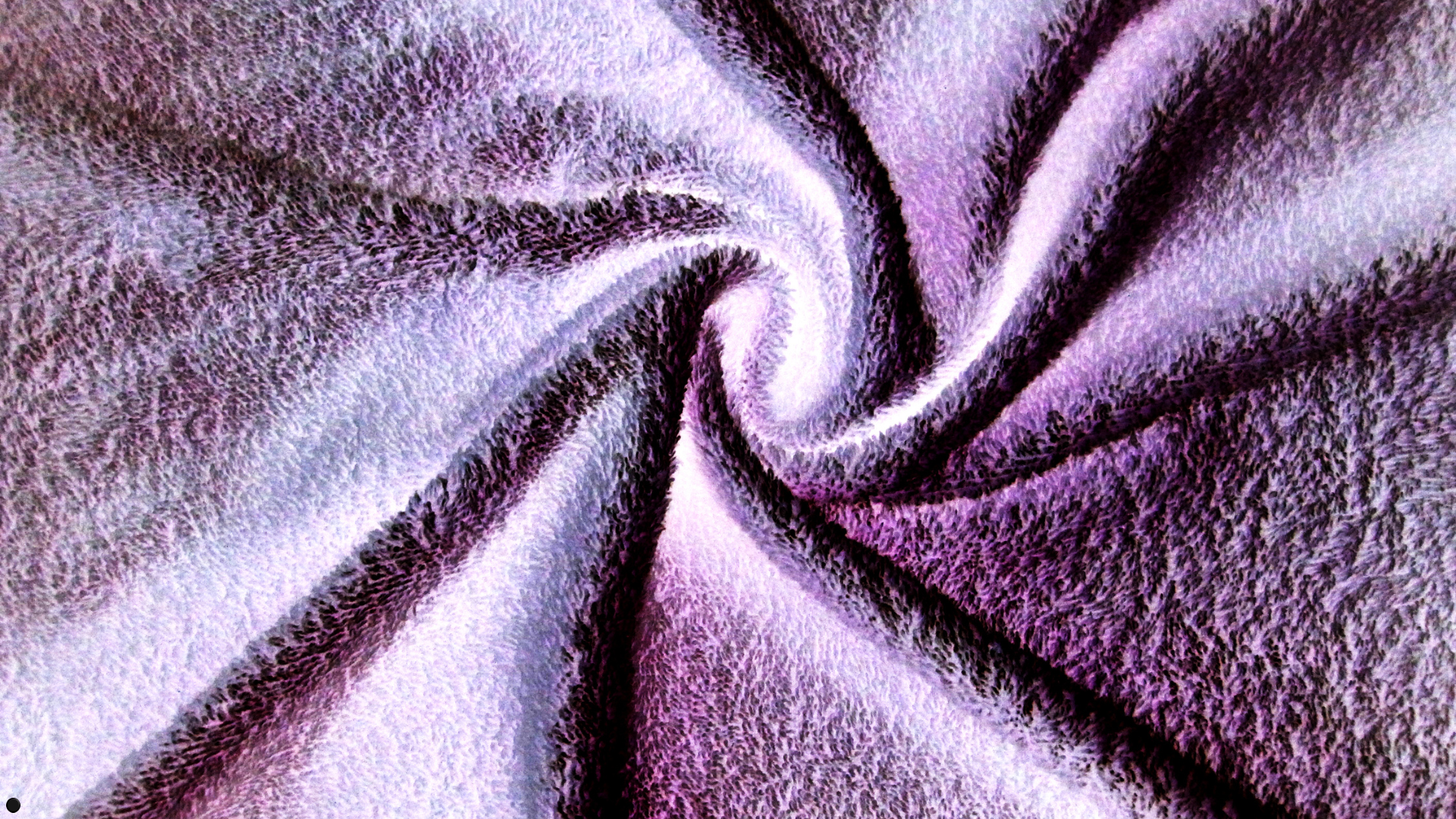
Long loop terry cloth has deeper loops and thicker fibers, making it highly absorbent. It is commonly used for bath mats and luxury towels because it feels extra soft and plush underfoot.
Terry Velour
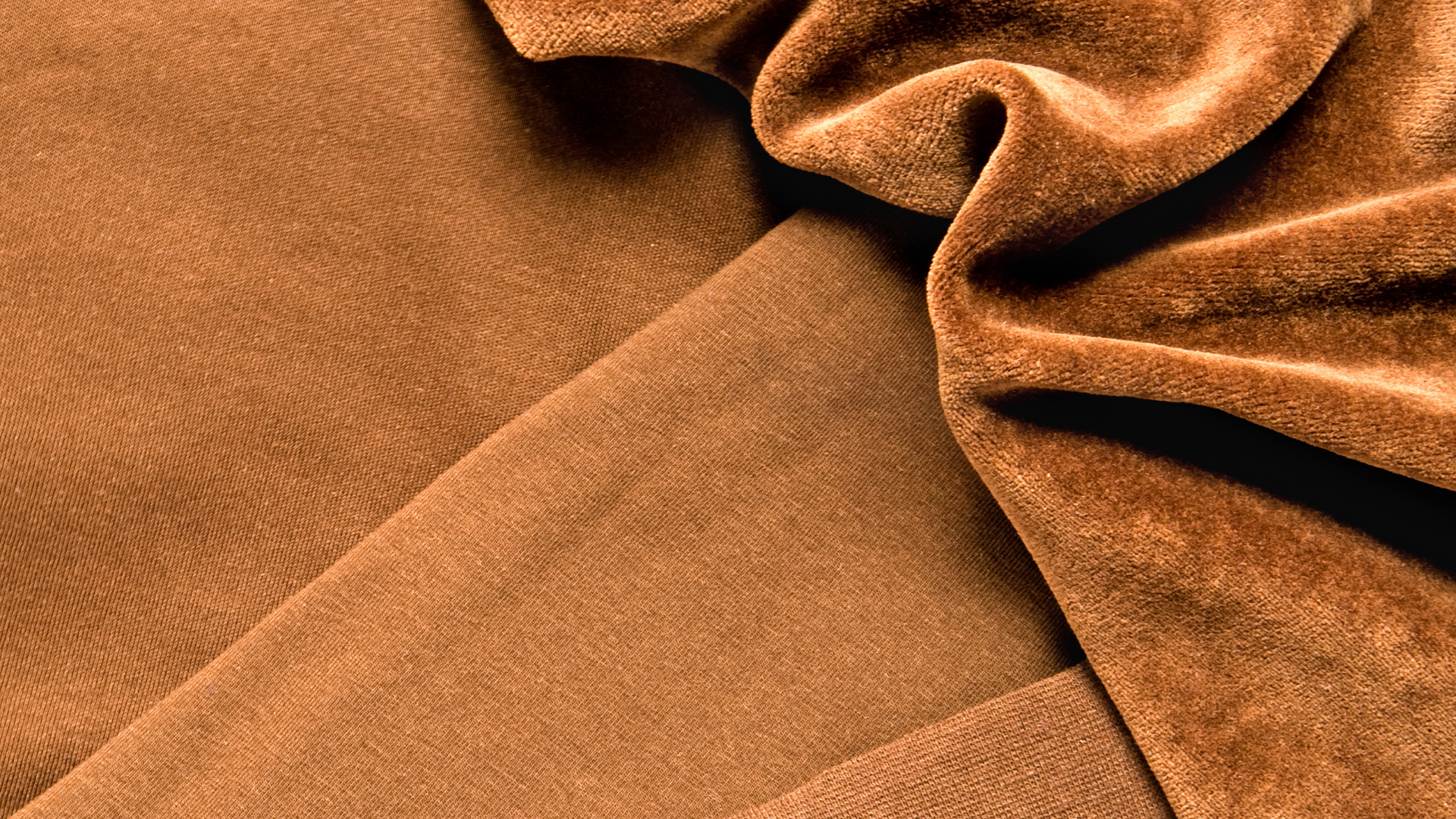
Terry velour has loops on one side and a cut, velvety surface on the other. The smooth side gives the fabric a shiny appearance, while the looped side remains absorbent. Beach towels often use this style because it combines comfort with a decorative finish.
Low-Twist Terry Cloth
Low-twist terry cloth uses yarn with minimal twisting, creating more air pockets inside the fibers. This results in softer, fluffier towels that feel warmer and more luxurious.
Zero-Twist Terry Cloth
Zero-twist terry cloth uses yarn that is not twisted during spinning. The result is an ultra-soft, lightweight, and highly absorbent fabric that dries faster than traditional terry cloth.
Microfiber Terry Cloth
Microfiber terry cloth uses synthetic fibers instead of cotton. It dries quickly and is often used in sports towels, cleaning products, and travel accessories.
Sewing With Terry Cloth
Terry cloth can be slightly difficult to sew because the loops create bulk and lint. However, with the right techniques, it becomes much easier to handle.
Helpful Sewing Tips
- Use a medium or heavy-duty needle
- Choose strong polyester thread
- Finish raw edges to reduce fraying
- Backstitch seams for extra durability
- Use clips instead of pins for thick layers
- Wash the fabric before sewing because it may shrink
Some sewists also recommend using a walking foot and keeping a vacuum nearby because terry cloth sheds lint while cutting.
Easy Things You Can Make With Terry Cloth
Because terry cloth absorbs moisture so well, it is perfect for DIY sewing projects. Popular ideas include:
- Hooded baby towels
- Hair wraps
- Bathrobes
- Slippers
- Kitchen towel scarves
- Beach ponchos
- Soap saver pouches
- Washcloth sets
- Bath mats
These projects are practical, beginner-friendly, and make thoughtful handmade gifts.
How to Care for Terry Cloth
Proper care helps terry cloth remain soft and absorbent for years.
Washing Tips
- Wash terry cloth items inside out
- Avoid fabric softener because it reduces absorbency
- Separate from clothes with zippers or hooks
- Tumble dry to fluff the loops and maintain softness
Using too much softener can coat the fibers and reduce the towel’s ability to absorb water effectively.
Advantages of Terry Cloth
Terry cloth remains popular because it offers many benefits:
- Highly absorbent
- Soft and comfortable
- Durable for long-term use
- Easy to wash
- Breathable and skin-friendly
- Suitable for many sewing projects