

Top Mistakes New Poultry and Horse Owners Make and How to Avoid Them
December 8, 2025
Becoming a new poultry or horse owner is exciting, but it also comes with a learning curve. Whether you are raising your first backyard flock or caring for your first horse, it is common to make mistakes in the beginning. The good news is that most of these mistakes are easily avoidable when you understand the right care practices, gear and routines.
This guide highlights the top mistakes new poultry and horse owners make and how to avoid them. You will learn practical steps, the advantages of proper care and the outcomes you can expect when you do things the right way.
PROCESS:
Common Mistakes New Owners Make and How to Prevent Them
Understanding the common errors helps you make better decisions from day one.
Mistake 1: Not Using the Right Gear for Poultry or Horses
Many new owners buy gear based on price rather than quality or fit. This is one of the biggest mistakes in both horse and poultry care.
Common issues include
- Poorly fitted halters or bridles for horses
- Low quality chicken saddles that slip or irritate skin
- Cheap feeders or waterers that break quickly
- Relying on factory made gear that does not fit unique body shapes
How to avoid it
Choose quality, preferably handmade gear that fits correctly. Measure animals properly and buy equipment built for comfort and durability.
Mistake 2: Incorrect Feeding and Nutrition
Feeding birds or horses the wrong type of food can lead to serious health problems.
Nutrition mistakes include
- Giving layers scratch instead of layer feed
- Feeding horses too much grain and not enough forage
- Offering the same feed to hens, turkeys and chicks
- Not providing supplements like grit, minerals or salt blocks
How to avoid it
Learn the dietary needs of each species.
- Hens need calcium rich feed
- Turkeys need higher protein diets
- Horses need mostly hay or forage with controlled grain intake
Proper nutrition prevents long term health issues.
Mistake 3: Poor Housing and Space Management
Coops that are too small or horse stalls that are poorly set up lead to stress and illness.
Housing mistakes include
- Overcrowded poultry coops
- Lack of ventilation
- Dirty bedding and wet floors
- Not enough roosting or nest boxes
- Horse stalls with unsafe edges or low airflow
How to avoid it
- Keep coops dry, clean and well ventilated
- Provide enough space for each bird
- Clean bedding regularly
- Ensure horse stalls are safe, bright and comfortable
Proper housing supports both mental and physical health.
Mistake 4: Ignoring Early Signs of Illness
New owners often overlook small symptoms until they become serious.
Common missed signs
- A hen standing alone or not eating
- A horse refusing to walk normally
- Droopy wings in poultry
- Changes in breathing, coughing or nasal discharge
- Changes in manure
How to avoid it
Check your animals daily. A few minutes of observation can prevent major health issues.
Mistake 5: Not Providing Enough Protection
Predators and environmental hazards are major risks for poultry and horses.
Protection mistakes include
- Weak fencing around poultry runs
- Not using protective gear during horse riding
- Leaving young chickens outdoors without supervision
- Horses not wearing fly masks or protective boots when needed
How to avoid it
Invest in strong fencing, saddles, halters and protective accessories. Make safety a priority instead of an afterthought.
Mistake 6: Handling Animals Incorrectly
New owners may unintentionally cause stress by using the wrong handling techniques.
Examples of poor handling
- Grabbing poultry aggressively
- Leading horses without proper guidance
- Approaching animals too quickly
- Ignoring body language cues
How to avoid it
- Move calmly and confidently
- Learn basic handling instructions
- Observe animal behavior to understand comfort levels
Gentle handling leads to trust and easier training.
ADVANTAGES:
Why Avoiding These Mistakes Leads to Better Animal Care
Once you understand how to avoid these common mistakes, you will notice major improvements in your flock or horse’s behavior, comfort and health.
How Does Proper Gear Improve Comfort and Behavior
Quality gear that fits correctly reduces discomfort, injuries and daily stress.
Advantages include
- Better posture for horses
- Reduced feather damage in poultry
- Safer riding experiences
- Less rubbing and irritation
Comfort plays a key role in overall wellbeing.
Why Does Good Nutrition Lead to Healthier Horses and Birds
Feeding the right diet leads to stronger immunity, better growth and more productivity.
Nutrition advantages
- Hens lay higher quality eggs
- Turkeys grow stronger with proper protein
- Horses maintain healthy coats, hooves and muscle tone
- Reduced risk of digestive problems
A balanced diet supports every part of an animal’s health.
How Does Proper Housing Reduce Illness and Stress
Housing has a direct impact on health and behavior.
Advantages include
- Less respiratory illness
- Cleaner feathers and coats
- Lower stress levels
- Safer sleep and movement
Animals thrive when their environment is secure and well maintained.
Why Prevention and Early Observation Matter
Catching issues early helps you avoid costly vet bills and serious conditions.
Benefits of early detection
- Faster and easier treatment
- Less spread of illness through a flock
- Safer recovery for horses
- Better long term health outcomes
Being observant is one of the easiest skills to develop.
How Does Proper Handling Build Trust
Handling your animals calmly builds a positive relationship.
Advantages include
- Horses that cooperate during riding or grooming
- Poultry that behaves calmly during inspections
- Easier daily care
- Reduced fear and aggression
Trust influences everything from training to health checks.
OUTCOMES AND CONCLUSION:
What Results You Can Expect When You Avoid These Mistakes
When you avoid common new owner mistakes, your poultry and horses experience smoother daily care and better overall health.
Short Term Outcomes
- Happier and calmer animals
- Fewer injuries from poor gear or unsafe housing
- Cleaner coops and stalls
- More stable behavior
- Better egg production in hens
These improvements show up almost immediately.
Long Term Outcomes
- Stronger immune systems
- Better growth and development
- Longer lifespan for both poultry and horses
- Safer working and riding experiences
- A peaceful, well balanced flock or herd
Long term benefits make the learning process worthwhile.
Final Message
New poultry and horse owners often make simple mistakes, but with the right knowledge and awareness, these can easily be avoided. When you choose quality gear, follow proper nutrition, maintain clean housing and learn gentle handling techniques, your animals will live healthier, happier and more productive lives.
Understanding these common mistakes is the first step toward becoming a confident and responsible animal owner. Your flock and horses depend on you, and with the right care, they will thrive under your guidance.
Share on it:
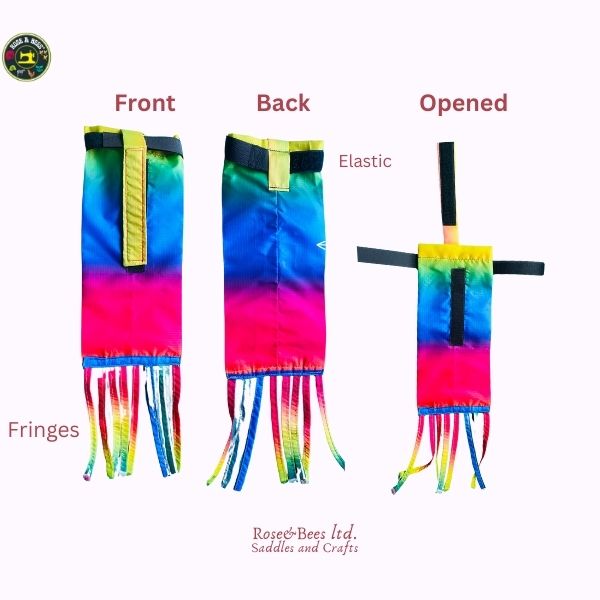

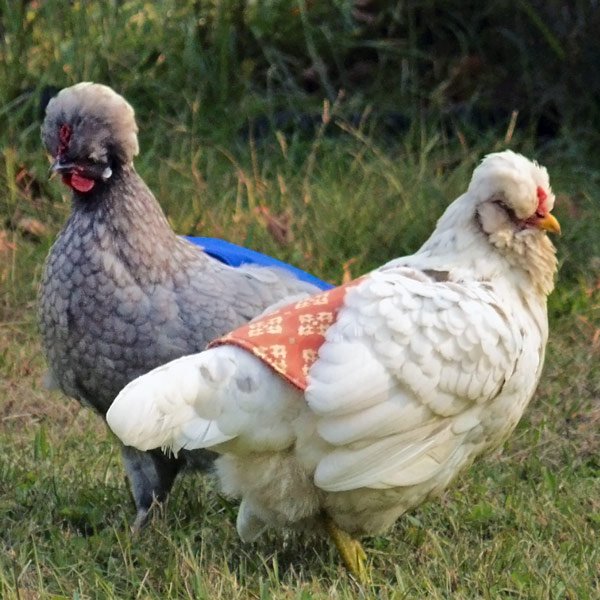
Why Use Chicken Saddles: Benefits for Molting & Pecking Prevention
Raising backyard chickens is fun, rewarding, and full of little surprises, and one of those surprises is realizing just how delicate your hens’ feathers can be.
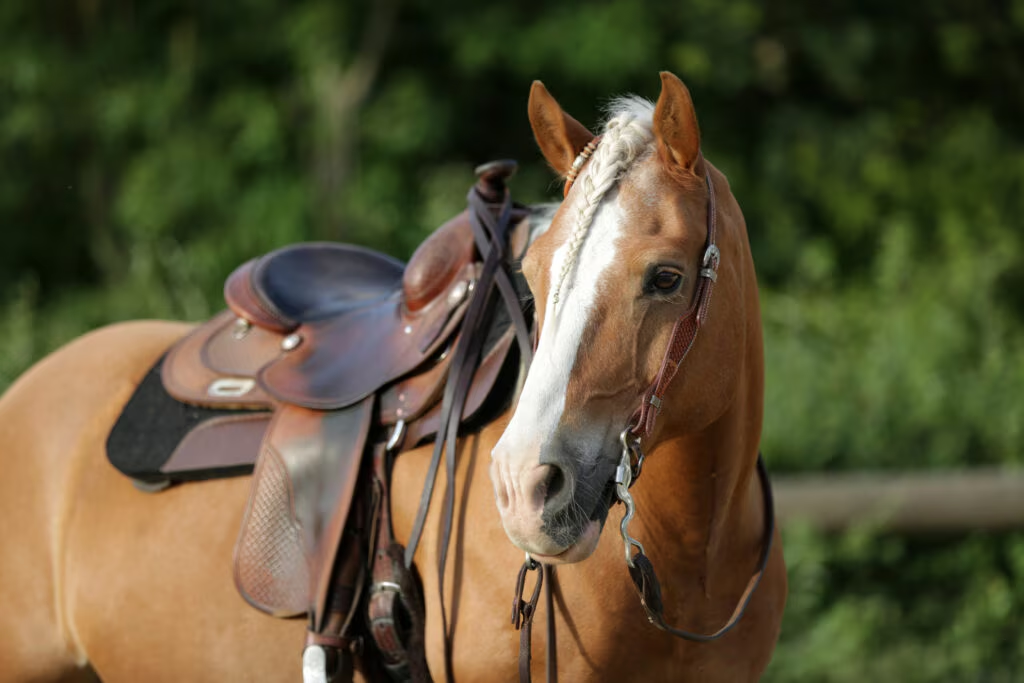
How to Choose the Right Equine Accessories for Your Horse: A Buyer’s Guide
Choosing equine accessories for your horse can feel overwhelming, especially when there are so many options on the market.