
Causes, Solutions & How Chicken Saddles Help Protect Hens
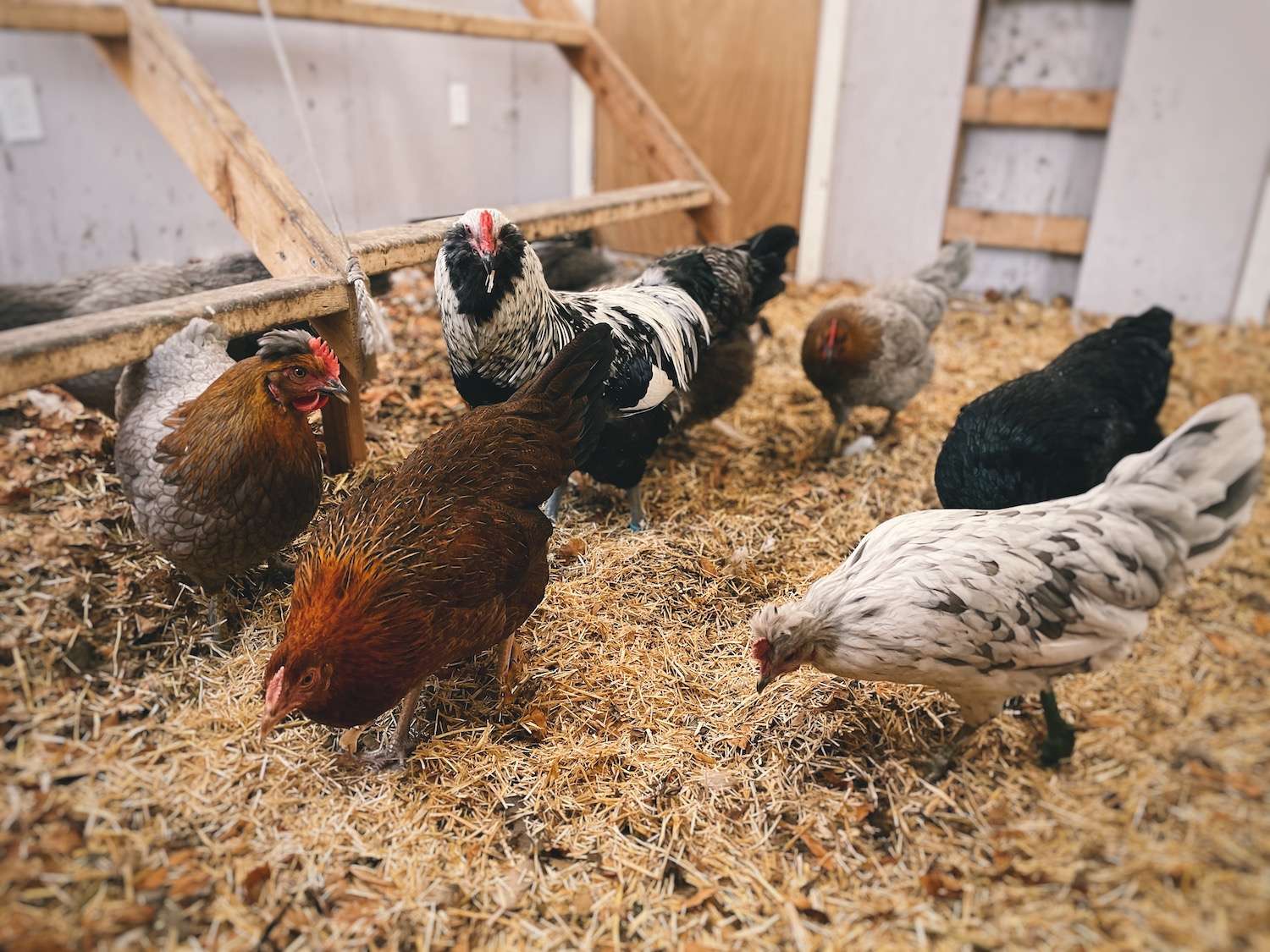
Have you noticed bald patches, broken feathers, or sore skin on your hen’s back?
This is one of the most common problems chicken keepers face — especially when there is an active rooster in the flock. In many cases, missing back feathers are caused by rooster mating damage, feather pecking, stress, molting, or parasites.
The good news is that this problem is often manageable. A properly fitted chicken saddle — also known as a hen apron, poultry saddle, or hen protector — can help protect your hen’s back while feathers regrow.
Browse our handmade chicken saddles here.: Why Are My Hen’s Back Feathers Missing?The Most Common Cause: Rooster Mating Damage
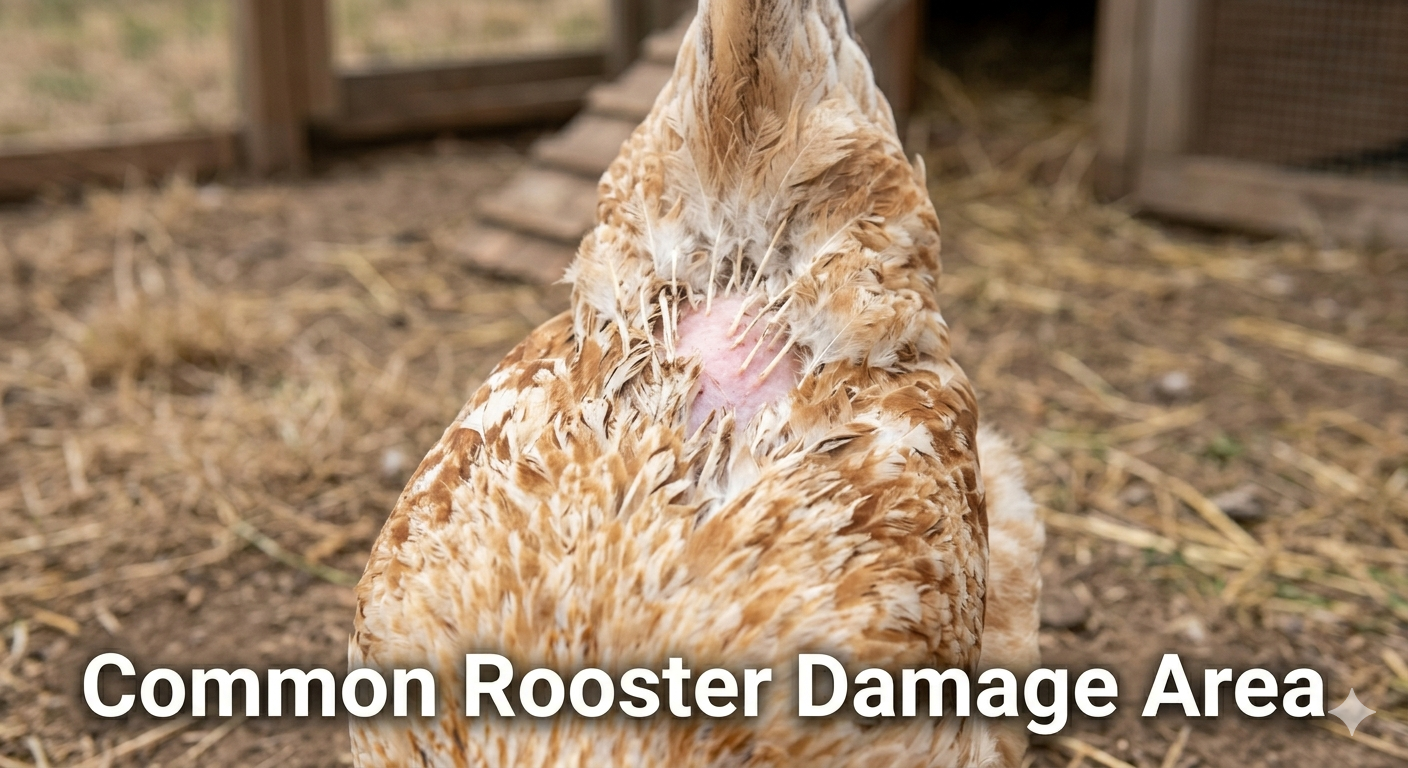
If your hen is losing feathers mainly from her back, shoulders, or wing area, rooster damage is often the first thing to check.
During mating, a rooster grips the hen with his claws and beak for balance. Over time, repeated mating can rub away feathers and leave the skin exposed, red, or sore.
Signs of Rooster Damage
- Bald patches on the back
- Broken or rubbed feathers
- Red or irritated skin
- One hen affected more than others
- Active rooster in the flock
- Feather loss around shoulders or wings
This is especially common during breeding season or in smaller flocks where one rooster mates the same hens repeatedly.
How Chicken Saddles Help
A chicken saddle works like a soft protective cover over the hen’s back. It helps reduce direct contact from rooster claws and gives damaged feathers time to recover.
Chicken saddles are especially useful for hens who are:
- Losing back feathers from rooster mating
- Being pecked by other hens
- Recovering from feather damage
- Sensitive around the back or shoulder area
- Part of a flock with an active rooster
A good hen saddle should be comfortable, secure, lightweight, and properly fitted so the hen can walk, perch, dust bathe, and move naturally.
Our handmade chicken saddles are designed to protect hens while allowing comfortable movement.: Why Are My Hen’s Back Feathers Missing?
Why Choose a Handmade Chicken Saddle?
Not all chicken saddles fit the same. A poor fit can slip, twist, or make the hen uncomfortable.
Our handmade chicken saddles are made with care to help protect hens from feather damage while keeping comfort in mind.
Features to Look For
- Elasticated fit for comfort and flexibility
- Durable fabric for daily wear
- Water-resistant outer layer for outdoor use
- Optional fleece lining for extra softness
- Multiple sizes for different breeds
- Wing options for extra side protection
These features are helpful for hens affected by rooster damage, feather pecking, or repeated feather wear.
Elasticated chicken saddles: Why Are My Hen’s Back Feathers Missing?Choosing the Right Chicken Saddle Size
Correct sizing is very important. A chicken saddle should cover the damaged area without being too tight or too loose.
Before buying, measure your hen from the base of the neck to the start of the tail. This helps you choose the best size.
Different breeds may need different saddle sizes.
Common Breed Examples
- Silkies may need smaller saddles
- Bantams usually need small sizes
- Rhode Island Reds, Sussex, Barnevelders, Bluebells, and Black Rocks often need medium sizes
- Brahmas, Orpingtons, and Jersey Giants usually need larger or extra-wide saddles
Always measure your hen before ordering for the best fit.
Other Reasons Hens Lose Feathers
Although rooster damage is very common, it is not the only reason hens may lose feathers.
Molting
Molting is a natural process where hens shed old feathers and grow new ones. This usually happens once a year.
Signs of Molting
- Feathers scattered around the coop
- New pin feathers growing
- Reduced egg laying
- Feather loss across the body
Molting usually affects several areas of the body, not just the back.
During molting, hens need good nutrition, extra protein, and a calm environment.
Feather Pecking & Bullying
Sometimes hens peck each other’s feathers due to boredom, overcrowding, stress, or flock hierarchy.
Signs of Feather Pecking
- Broken feathers
- Bald patches
- Aggressive flock behaviour
- Small red marks or skin irritation
A chicken saddle can help protect a vulnerable hen while you deal with the cause of the pecking.
How Long Do Feathers Take to Grow Back?
Feather regrowth depends on the cause of the damage and the hen’s overall health.
Generally:
- Mild feather loss may improve within a few weeks
- Severe bald patches may take several months
- Molting feathers regrow after the molt cycle finishes
If your hen keeps being mated or pecked, feathers may not regrow properly. This is where a properly fitted hen saddle can make a big difference.
When Should You Be Concerned?
Most feather loss can be managed, but some cases need extra care.
Contact a vet or poultry specialist if you notice:
- Open wounds
- Bleeding
- Severe skin irritation
- Rapid feather loss
- Weight loss
- Weakness
- Persistent mites or lice
A chicken saddle can help protect the back, but it should not replace proper treatment if the hen has wounds, illness, or parasites.
Best Ways to Prevent Back Feather Loss
Prevention is always easier than repair.
Simple Prevention Tips
- Keep the coop clean
- Avoid overcrowding
- Provide dust baths
- Watch rooster behaviour
- Feed a balanced diet
- Reduce flock stress
- Use chicken saddles early if feather wear starts
If you notice feathers thinning on the back, do not wait until the skin is sore. Early protection can help prevent further damage.
Shop Handmade Chicken Saddles
If your hen is losing back feathers from rooster damage, feather pecking, or repeated wear, a handmade chicken saddle can help protect her while feathers regrow.
Our saddles are handmade with care and available in different sizes and styles to suit different hens.
Popular Options
- Elasticated chicken saddles
- Water-resistant chicken saddles
- Fleece-lined hen saddles
- Chicken saddles with wings
- Extra wide saddles for larger breeds
- Small saddles for bantams and silkies
Mites & Parasites
Mites and lice can irritate the skin and cause chickens to scratch or over-preen.
Signs of Parasites
- Constant scratching
- Dirty vent feathers
- Damaged feathers
- Tiny insects or eggs near feather shafts
- Pale combs in severe cases
If you suspect parasites, clean the coop thoroughly and use poultry-safe treatment.
⸻
Poor Nutrition
Feathers need protein and nutrients to grow well.
A poor diet can cause weak feathers, slow regrowth, and poor feather condition.
Helpful Nutrients
- Protein
- Amino acids
- Vitamins A, D, and E
- Zinc and minerals
Good-quality feed and clean water support healthy feather regrowth.
Missing back feathers can look worrying, but once you understand the cause, it is usually manageable.
If the feather loss is caused by rooster mating, feather pecking, or repeated back wear, a comfortable chicken saddle can help protect your hen’s skin and give feathers time to regrow.
With the right care, correct sizing, and good flock management, your hens can stay healthier, safer, and more comfortable throughout the year.
Related Searches
Chicken saddle, hen apron, hen protector, poultry saddle, chicken back protector, rooster damage saddle, rooster spur protection, chicken saddle for feather loss, handmade chicken saddle, elasticated chicken saddle, water-resistant chicken saddle, fleece-lined hen saddle, chicken saddle with wings, extra wide chicken saddle, chicken feather regrowth, why is my hen losing feathers, missing feathers on hen back, bald patches on chicken back.